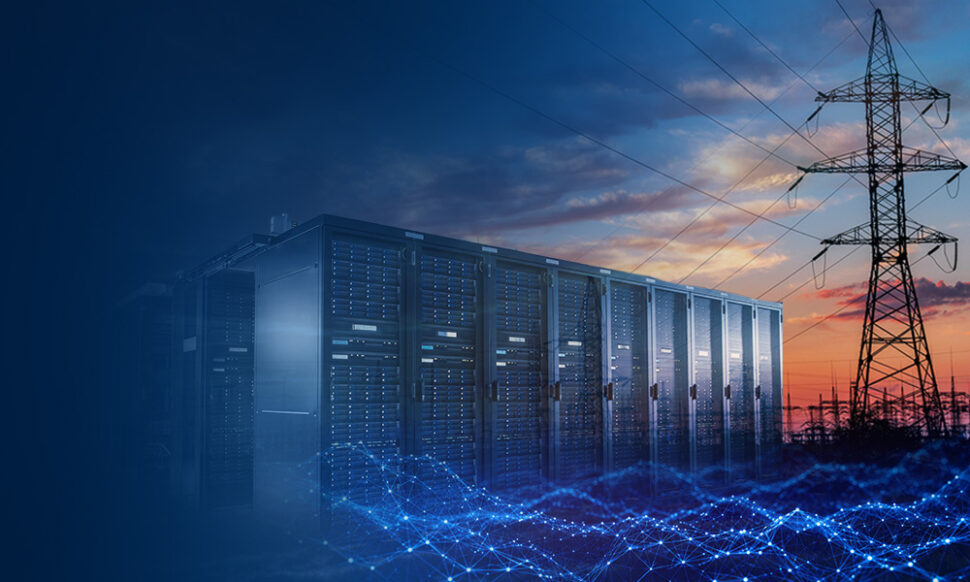
Advancing the Future of Power Grid Simulation
The Grid EMT Simulation initiative, led by the U.S. Department of Energy’s Office of Electricity’s Advanced Grid Modeling program in partnership with the North American Electric Reliability Corporation, brings together researchers, industry leaders, utilities, and national laboratories to advance electromagnetic transient (EMT) simulation technologies that support a more reliable, secure, and future-ready electric grid.
America’s electric grid is not just a marvel of engineering—it’s one of the greatest machines ever built. But as new technologies like data centers, battery storage, and advanced power electronics become a bigger part of the system, the grid is evolving faster than ever before. These technologies can generate electrical events so rapidly that they occur in just millionths of a second, far beyond the reach of traditional power system simulators.
To tackle these modern challenges and secure the reliability of our nation’s power supply, engineers are turning to a cutting-edge tool, electromagnetic transient (EMT) simulations.

The Grid Is Changing; Simulation Must Evolve Too
The Grid EMT Simulation (GEMS) initiative, led by the U.S. Department of Energy’s Office of Electricity’s Advanced Grid Modeling program, in partnership with NERC, addresses the evolving needs of America’s electric grid among a diverse stakeholder community. Through advanced simulation tools and teamwork across industry, national labs, and academia, GEMS helps ensure the grid is affordable, reliable, secure, and ready for tomorrow’s challenges.
GEMS provides resources for research and development: datasets generated from electromagnetic transient simulations, detailed model libraries, versatile software platforms like RE-INTEGRATE, and a rich variety of educational materials. These assets drive innovation in grid analysis, planning, and operation.
The initiative is organized around working groups that focus on practical applications, robust modeling, fast and scalable solutions, feature enhancement, and workforce training. Each group collaborates to streamline processes, develop new tools, and foster knowledge sharing.
Whether you are seeking technical data, simulation models, software tools, or training resources, GEMS offers a gateway to next-generation grid research and professional development.
Working Groups
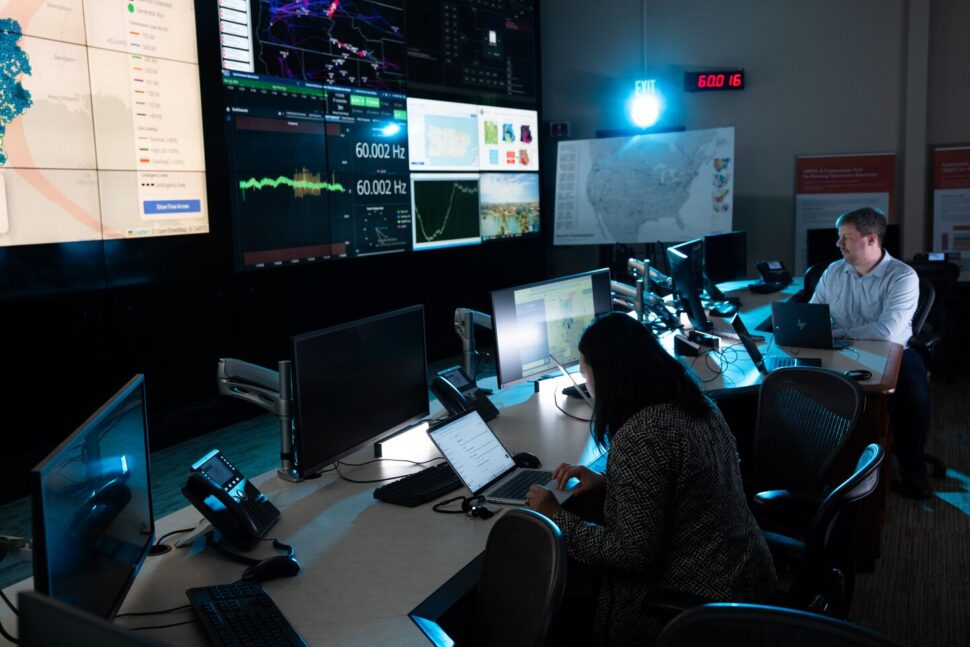
The initiative incorporates five working groups: Applications and pilots, Input data structure and models, Solvers, Features, and Training and workforce development. The working groups are open to industry and academic partners to help the community navigate through challenges identified in each of these themes.
Resources
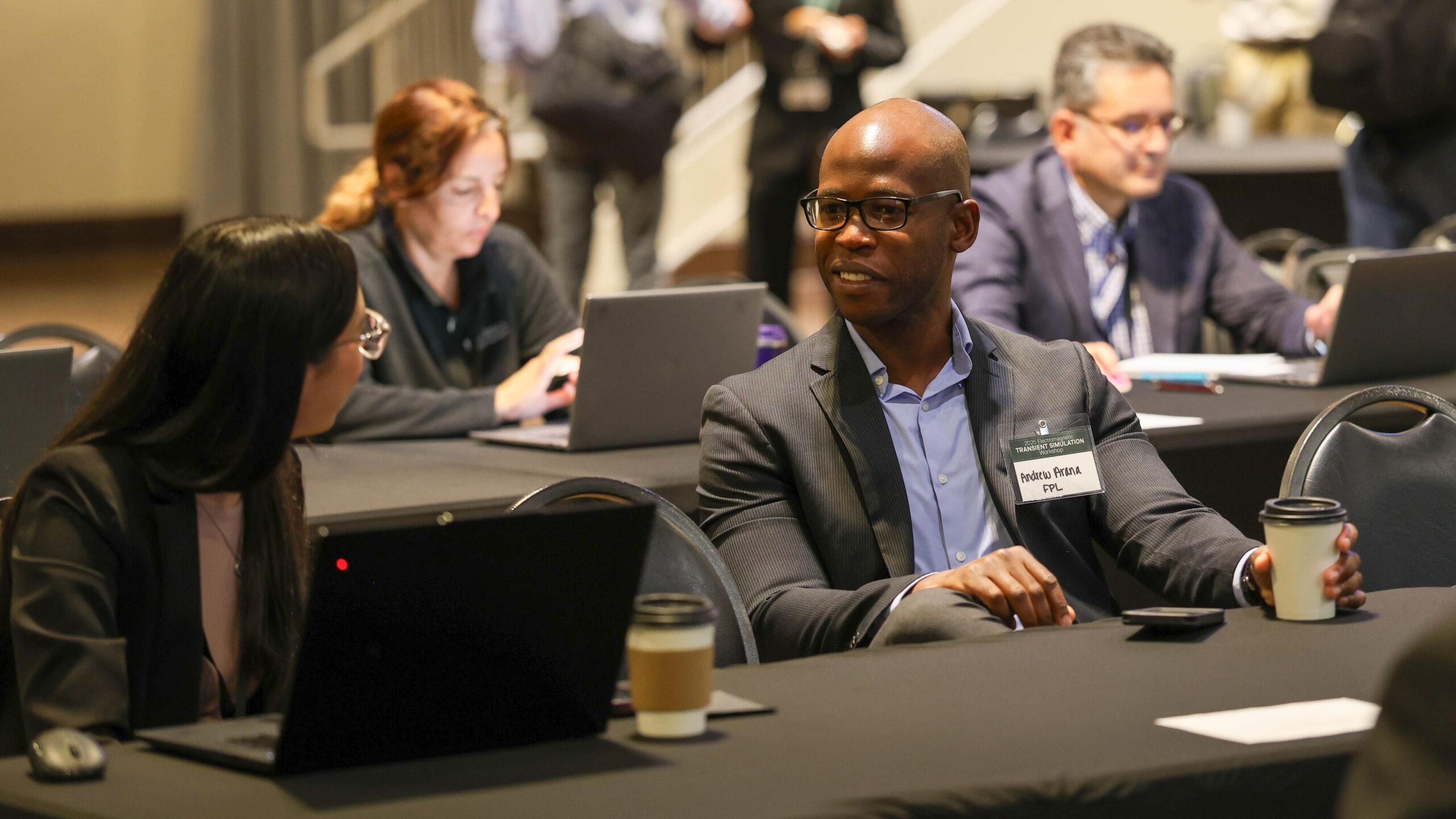
The GEMS initiative provides access to educational materials, technical tools, benchmark models, software resources, and research content supporting collaboration and workforce development across the EMT simulation community. These resources will be added here as they become available.
News & Events
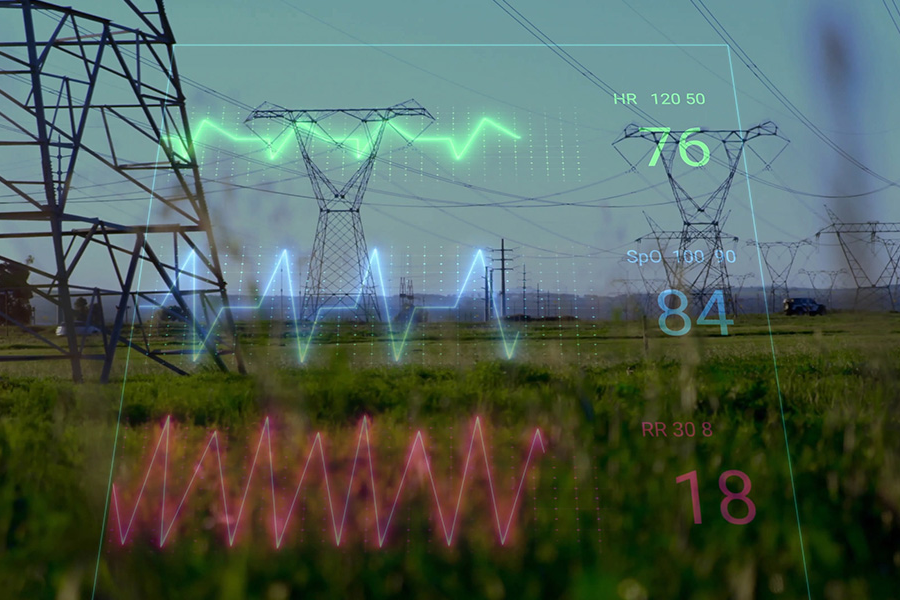
The North American Electric Reliability Corporation (NERC), in collaboration with Department of Energy Office of Electricity and ONRL, will host the 2026 Electromagnetic Transient (EMT) Simulation Workshop on August 18–21, 2026 in Washington, D.C.
Participants will explore advancements in EMT simulations, including modeling, simulation techniques, input data structure, and automation tools that support evolving industry needs. This workshop will also feature basic and advanced-level hands-on tutorials on EMT simulation, supported by DOE Interconnection Innovation Exchange (i2x). As EMT simulation becomes more widely adopted, participants provide feedback on ongoing activities and emerging challenges.

Our Partners
Led by the U.S. Department of Energy’s Office of Electricity’s Advanced Grid Modeling program in partnership with NERC, GEMS convenes researchers, utilities and system operators, technology providers, other industry officials, and policymakers to improve grid analysis, planning and operation.
NERC is one of the leads guiding research and development for the initiative to enhance industry relevance and significant impact to the community.
